Mickoski in Sveti Stefan: reforms should be recognized soon, gradual integration is no substitute for membership
At the Berlin Process summit the prime minister also met the EBRD president, but no projects or amounts were named.
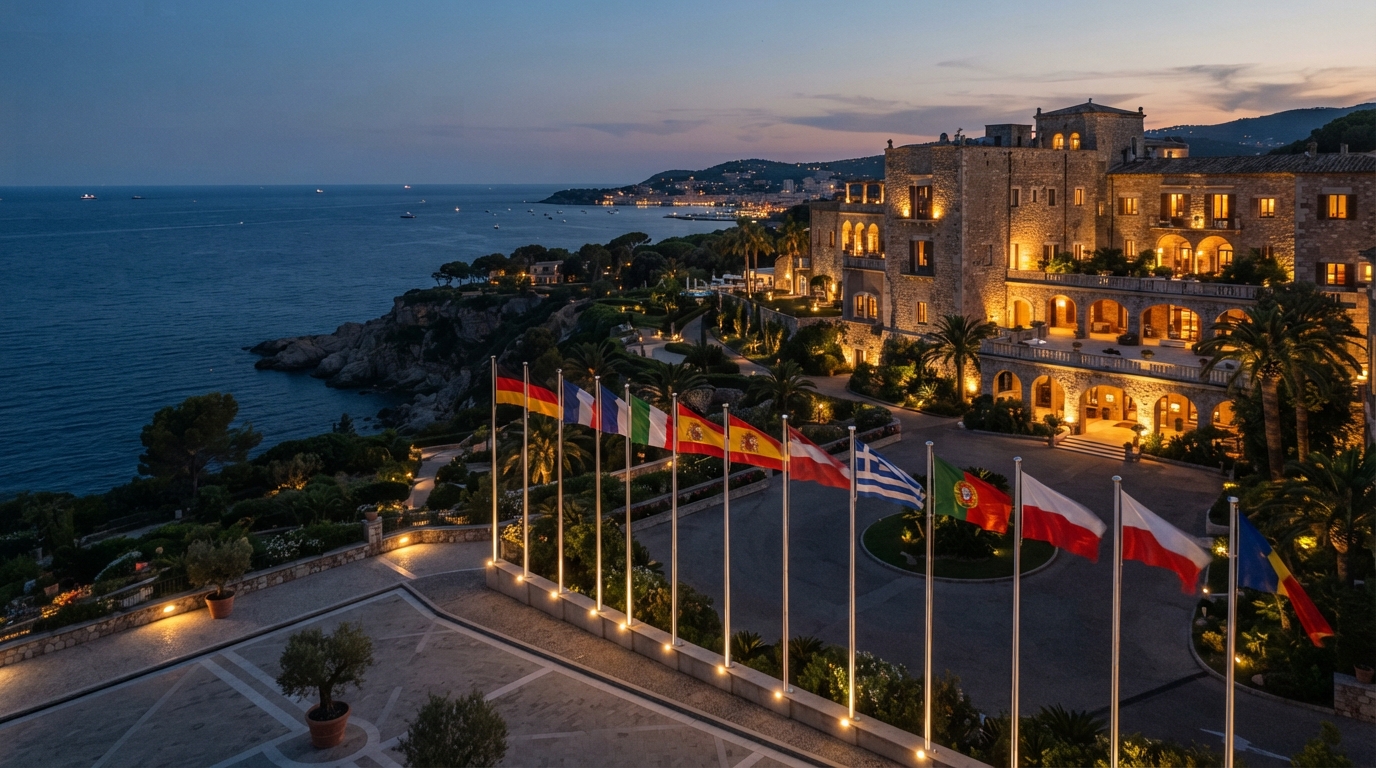
Prime Minister Hristijan Mickoski led the Macedonian delegation at the Berlin Process Summit in Sveti Stefan on October 22, with which Montenegro concluded its chairmanship. German Chancellor Friedrich Merz also attended, and the topics were regional economic connectivity, security and speeding up European integration.
Mickoski said his government is “ahead” in delivering on the Reform Agenda and that its foreign and security policy is already aligned with that of the EU. He said: “I expect everything we have achieved in terms of delivery of the Reform Agenda to be recognized very soon”, and added that he expects North Macedonia to finally be allowed to begin accession negotiations.
On the Macedonian file he said it is “very complex”, but that North Macedonia “long ago deserved” to be part of the EU and that for “artificial reasons” it still cannot start negotiations. That is his assessment; on the other side, Brussels and Sofia offer a different explanation for the blockade, and Commission President Ursula von der Leyen said on October 2 that North Macedonia lacks the last step to open the first cluster.
On gradual integration, meaning the region's access to the EU single market step by step, Mickoski said it can help the region but “under no circumstances may serve as a substitute for full membership in the European Union”. That is a clear message: Skopje accepts interim steps, but not as a replacement for the final goal.
In the wider picture Mickoski mentioned the war in Ukraine, the war involving Iran, the financial market crisis and protests across Europe, and said Europe needs a way out of this situation and that his government is ready to contribute. He also hoped that the talks at the summit would bring concrete and fruitful results.
Merz, according to reports, backed the European perspective of the Western Balkans, called for faster rapprochement and said governments in the region must show political will and carry out reforms. In the European Western Balkans report of Merz's remarks, North Macedonia is not mentioned specifically, and no signed agreements or documents from the summit are listed.
Mickoski also met EBRD President Odile Renaud-Basso. According to his Facebook post, they discussed strengthening cooperation and support for development priorities. He said the government continues to create conditions for new investments and mentioned significant infrastructure projects and faster growth, but the post names no specific projects or amounts.
What is not known? It is not known what agreements or financing came out of the meeting with the EBRD, or what exactly was signed at the summit. It is also unclear whether the “recognition” of reforms that Mickoski expects has a deadline or a concrete form in Brussels.
What does it mean? The summit confirmed the familiar position: North Macedonia wants negotiations now, the EU wants one more political step, and the region gets a message about reforms and dialogue. The real result will be measured by concrete projects and by whether the first cluster opens.
MKNews Hub · Macedonia · October 23, 2026
