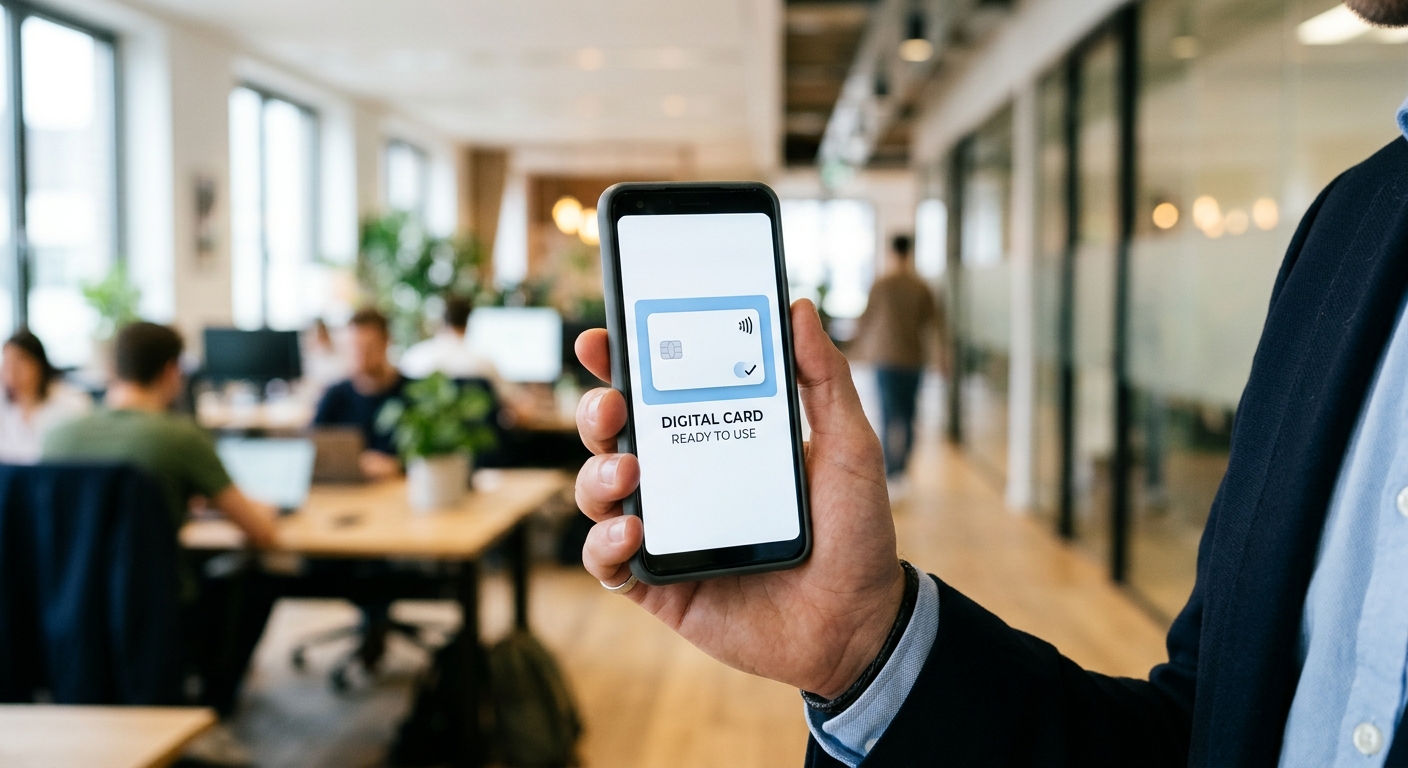
m.Uslugi app promoted on October 28: electronic ID card on a phone, free and voluntary
The first phase has a small number of e-documents and services, and the sources differ or are silent on the driving licence and the login method.
The Ministry of Digital Transformation and Prime Minister Mickoski on October 28 promoted the mobile app “m.Uslugi” for access to electronic services and digital documents. Minister Stefan Andonovski said the goal is fewer administrative steps and documents for citizens. According to a TVM headline, the app is available from the following day, October 29.
What exists now. The electronic ID card document is confirmed: the minister added his own to the app’s digital wallet during the promotion and stressed that it is not a photo or a PDF, but an electronic version. According to Vecer, the app also holds the driving licence and the first three digital services, which are not named. The other reports we checked do not mention the driving licence, so the safest course is to check in the app itself.
Selective sharing. The user can share only part of the data. For example, they can prove they are an adult without revealing the address or document number. That is the main difference from a photocopy of an ID card, which reveals all the data.
What has been announced. Integrated payments, photos where needed and new e-documents such as extracts, certificates and diplomas are planned. According to Vecer, data from “M.zdravje” and the European Youth Card will be added later. Andonovski called it the first step toward a digital wallet. Institutions’ acceptance of electronic documents will be introduced gradually, depending on bylaws and institutional capacity.
What it costs and whether it is mandatory. It is free and voluntary. It does not replace existing ways of contacting institutions but is an additional channel.
Where the idea came from. The idea, according to the minister, comes from his visit to the Diia summit in Zurich in 2024, and the concept was developed under the “GovTech4All” project, financed by the EU through the Digital Europe programme.
What is not stated. How the user logs in and confirms identity is not explained, nor which registries are connected, nor how many users there are. The exact number of services is not given, and the two sources differ on details of the documents.
Overview: confirmed, reported, planned. Confirmed: an electronic ID card, selective sharing of data, free and voluntary use. Reported by one source: a driving licence and three first services. Planned: payments, photos, extracts, certificates and diplomas, data from “M.zdravje” and a European Youth Card. Unknown: the login method, the connected registries and the number of users.
What it means for the citizen. The idea is that the state should not ask for documents it already holds. Whether that will be felt depends on how many counters and institutions accept an electronic ID card instead of a paper copy. The minister himself said acceptance will be introduced gradually, so the first weeks are a test, not a complete replacement of existing procedures.
How success will be measured. Andonovski said success will be measured by time saved, steps removed and services completed fully online, not by the number of downloads. So it is worth following how many institutions will accept electronic documents and how many services will be added.
MKNews Hub · Macedonia · October 29, 2026
