GDP Grows 4.3%, but the Average Salary Covers Only 70% of the Basic Basket — What Did Citizens Actually Gain?
Real wage growth is just 2.9%, and informal employment is rising faster than formal jobs — growth still barely reaches people's pockets.
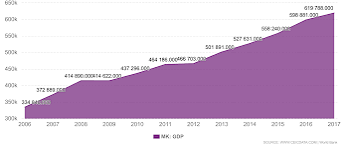
North Macedonia's economy grew 4.3% in the second quarter of 2026 compared to the same period last year, with a seasonally adjusted rate of 4% — making it the second-fastest-growing economy in Europe, just behind Slovenia's 4.8%. But the numbers behind the growth show citizens still barely feel the improvement.
The average net salary in June stood at 48,381 denars, a nominal increase of 6.4%, but once inflation of 3.4% is factored in, real wage growth drops to just 2.9%. The basic monthly consumer basket in August cost 68,675 denars, or 84,050 denars including rent. That means the average salary covers only 70.4% of the basic basket, leaving a shortfall of more than 20,000 denars, while the minimum wage covers just 37.9%.

Other indicators add to the concern: employment is growing by only 1%, while informal employment rose 7.2% — faster than formal job creation. The budget deficit has widened to 4.1% of GDP, and public debt stands at 58.8% of GDP. Analysts conclude the economic growth is real, but its trickle-down to households remains slower than the macroeconomic headline figures suggest.
MKNews Hub · Macedonia · September 27, 2026
