Mickoski orders an assessment of restarting the OKTA refinery, idle since 2012
The energy minister says a restart is “just one of the options” and that calculations are needed before any decision.
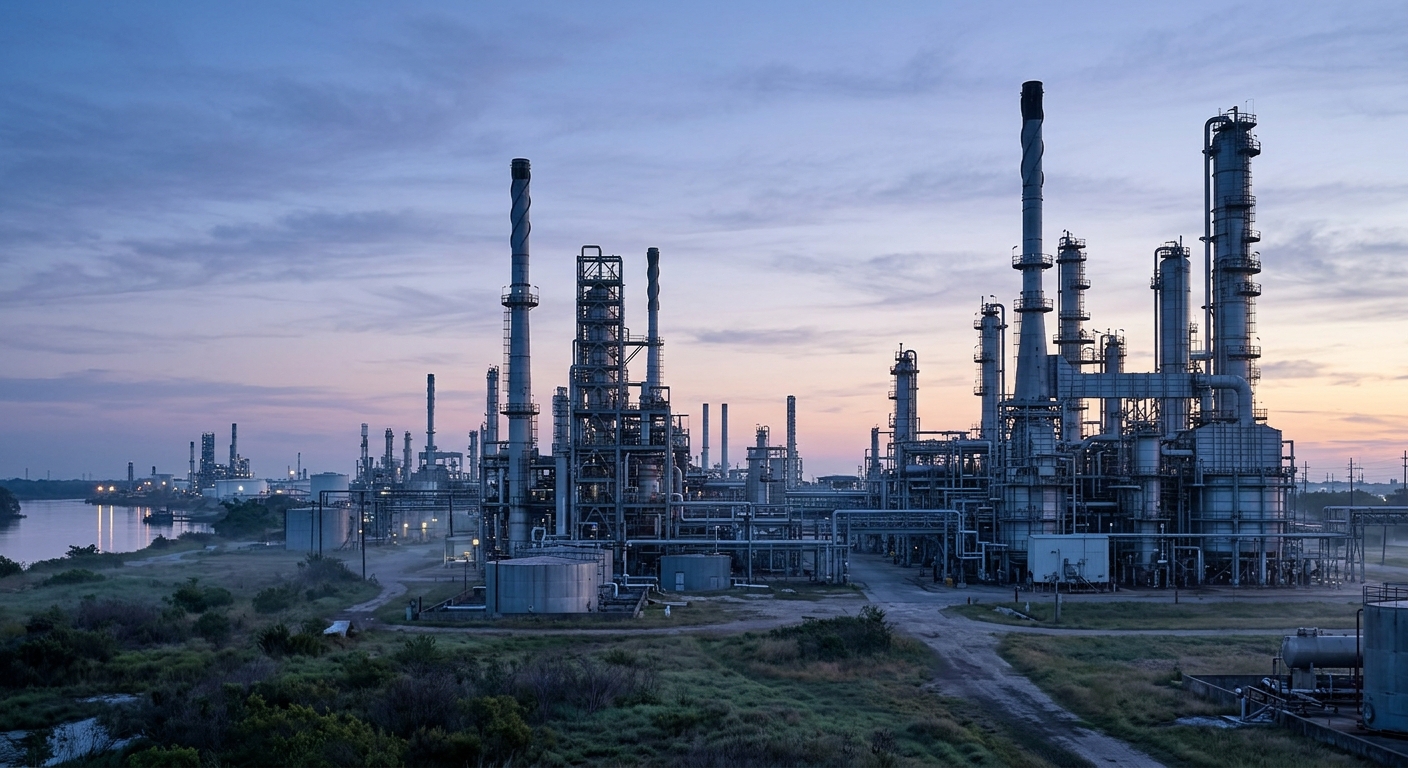
Prime Minister Hristijan Mickoski has instructed the competent institutions to assess whether production at the OKTA refinery in Skopje can be restarted. According to reports, the refinery has been idle since 2012, and the site is now used for storage and distribution. The idea came at a time when the Middle East oil crisis threatens diesel supply.
Why now? The Thessaloniki–Skopje pipeline, which connects the refinery to the port of Thessaloniki, has been operating again since February 2026. Mickoski suggested that crude could be delivered and processed into diesel, given the risk of long-term diesel shortages after the conflict with Iran.

Energy Minister Sanja Božinovska tempered the announcement. She said a restart is “just one of the options” and that technical information and analysis are needed for a decision. Detailed calculations are still needed to show whether processing crude in the country is more cost-effective than importing finished products. A technical assessment is under way, and a tentative timeframe is expected from the company.
The refinery is owned by the Greek company HELLENiQ Energy, formerly Hellenic Petroleum, which bought it in 1999. That means a restart is not only a state decision: it requires an agreement with the owner, who must judge whether it pays to bring the plant back into operation.
What needs to be checked before a decision? First, cost: how much it costs to renovate units that have not run for more than ten years. Second, scale: how much a refinery could produce on this market and whether that covers domestic needs. Third, margin: processing in the country pays off only if the gap between the price of crude and of products covers the cost of operating. The reports give neither capacity nor cost, so all three questions remain open.
There is also a market side. World diesel quotations are volatile: in the latest RKE calculation, reference prices for diesel rose by 2.9 percent while those for petrol fell. A refinery does not shield the country from the world price of crude; it may protect against a shortage of finished products, but that is a different benefit from a lower price at the pump.
What is not known? Neither the deadline, nor the total cost, nor the capacity, nor the terms HELLENiQ Energy will set is known. It is also unknown whether the state would take part in financing, or whether the analysis will end in a concrete decision. It is unclear how many people would be employed.
What does it mean? For now it is an announcement of an assessment, not a decision. The real test will be the numbers from the analysis and the owner's response: without them, a restart remains an idea, not a project.
MKNews Hub · Macedonia · October 21, 2026
