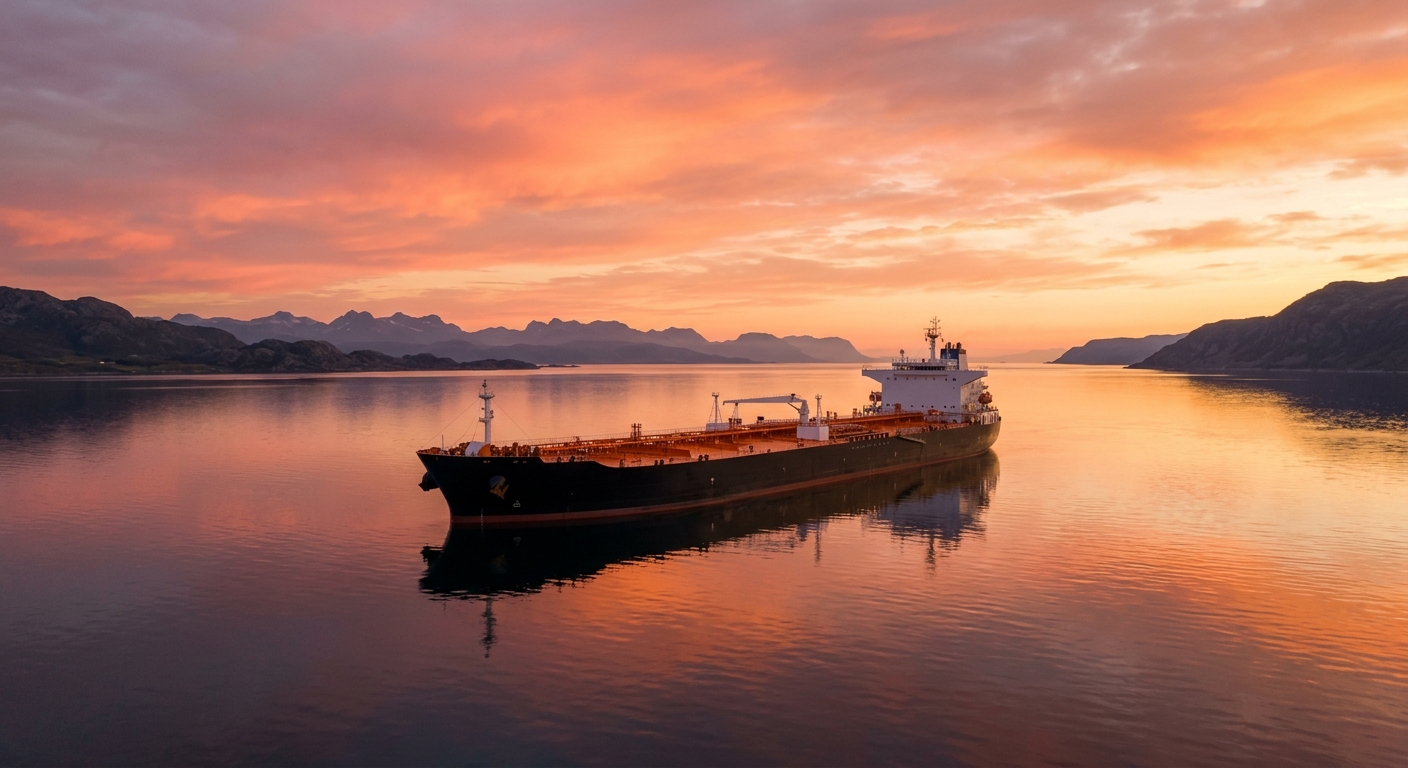
Brent rose to $117.64 a barrel, about 15 percent more in October, after the incidents in the Strait of Hormuz
European gas topped €100 per megawatt-hour for the first time since 2022. It is not clear how much oil has actually been lost from the market.
Brent crude on Friday, October 30, rose 2.4 percent to $117.64 a barrel after briefly touching $118. US WTI rose 2.08 percent to $104.12. For October Brent climbed about 15 percent and WTI about 12 percent, the highest level since April and a fourth straight monthly gain, according to The National. The British outlet The Beaver puts Brent’s monthly rise at about 14 percent. Below we follow the chain from causes to consequences, and separate what is confirmed from what is unclear.
What happened in the Strait of Hormuz. On Thursday night, October 29, a tanker was hit by an explosive attached to its hull from a small boat, the British maritime trade agency UKMTO said, correcting an earlier report of a projectile. On Friday Iran’s Revolutionary Guard said a tanker hit a naval mine while passing through the strait on an “unauthorised route”. The Beaver adds that the Guard declared the strait closed on October 26, but in the reports we checked this is not confirmed by a second source, and the statement about an “unauthorised route” suggests that some traffic still passes.
From oil to gas. The Dutch gas benchmark TTF reached €101.82 per megawatt-hour early on October 30, the first time above €100 since 2022, up about four percent on the day and about eight percent for the week. EU storage was about 75 percent full on October 29, against a five-year average of about 86 percent for that time of year. Additional causes cited are QatarEnergy’s extension of force majeure on liquefied gas exports until the end of 2026, attacks on the Ras Tanura oil hub in Saudi Arabia and unplanned outages in Norway.
Where politics stands. According to The National, US President Donald Trump said the war with Iran, now in its ninth month, would “end soon”, without details. Trump had earlier said the US would not strike before the elections on November 3, so the market is bracing for possible attacks afterwards. Qatari mediators have returned to Tehran, and an Iranian official said Iran welcomes efforts toward negotiations. Analyst Ryan McDaniel of Duncan Oil Company assessed that fear of US strikes is keeping risk premiums high.
What it means for bills. In the United Kingdom the regulator Ofgem raised the price cap by four percent from October 1, and the next change is in January 2027, to be confirmed in late November. Cornwall Insight forecast at the end of September a 16 percent rise, to about £1,999 a year for a typical household, and gas has risen since. Diesel at the start of October hit a record of 200.01 pence per litre, according to the RAC. The Bank of England decides on rates on November 5. The European Central Bank kept its deposit rate at 2.5 percent on October 29, as we wrote on October 30.
What is not known. The reports do not state how much oil or gas has actually been lost from the market, but mainly risk and prices. It is also not clear whether the strait is closed or only made difficult on certain routes, nor how long the incidents will last. The effect on fuel prices in Macedonia has not been calculated in the reports we checked, so we give no estimate.
What to follow. Whether on November 3, after the US elections, there will be attacks or negotiations, whether UKMTO confirms new incidents, where Brent moves around the $118 level and whether European gas storage approaches the five-year average.
MKNews Hub · Macedonia · November 1, 2026
