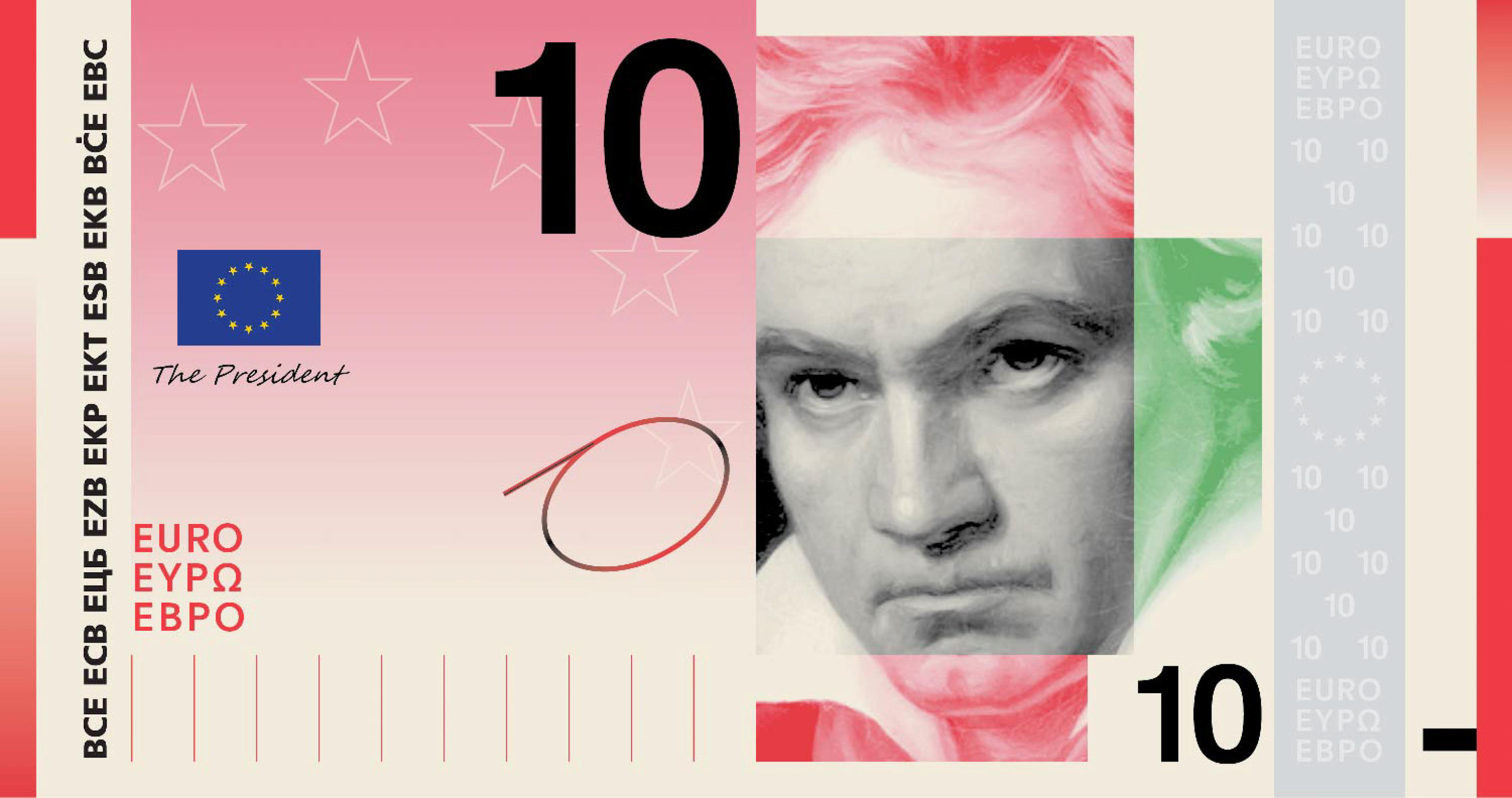
The ECB's New 2.50 Percent Rate Is Now in Effect — What It Means for Debt and Loans
The second hike this year. Markets expect it to be the last in 2026 — but debt is more expensive either way.
As of 16 September, the European Central Bank's higher deposit rate of 2.50 percent has come into effect — the second increase this year, after a pause in July. The decision, driven by continued inflation pressure linked to the Middle East conflict, also raises the main refinancing rate to 2.65 percent and the marginal lending rate to 2.90 percent.
Under ECB projections, average eurozone inflation this year will run at about 3 percent, gradually easing toward the 2 percent target by 2028. Eurozone economic growth is put at a modest 0.9 percent this year.
As many as 91 percent of economists surveyed by Reuters expect the rate to stay at 2.50 percent through year-end — in other words, market consensus sees this hike as the last one this year.
For Macedonia, whose currency is formally pegged to the euro, a higher ECB rate feeds directly into borrowing costs — both for the state on international markets and for households and businesses with Euribor-linked loans. Pricier euro-denominated debt is, for now, a more likely outcome than cheaper credit.
MKNews Hub · Economy · September 18, 2026