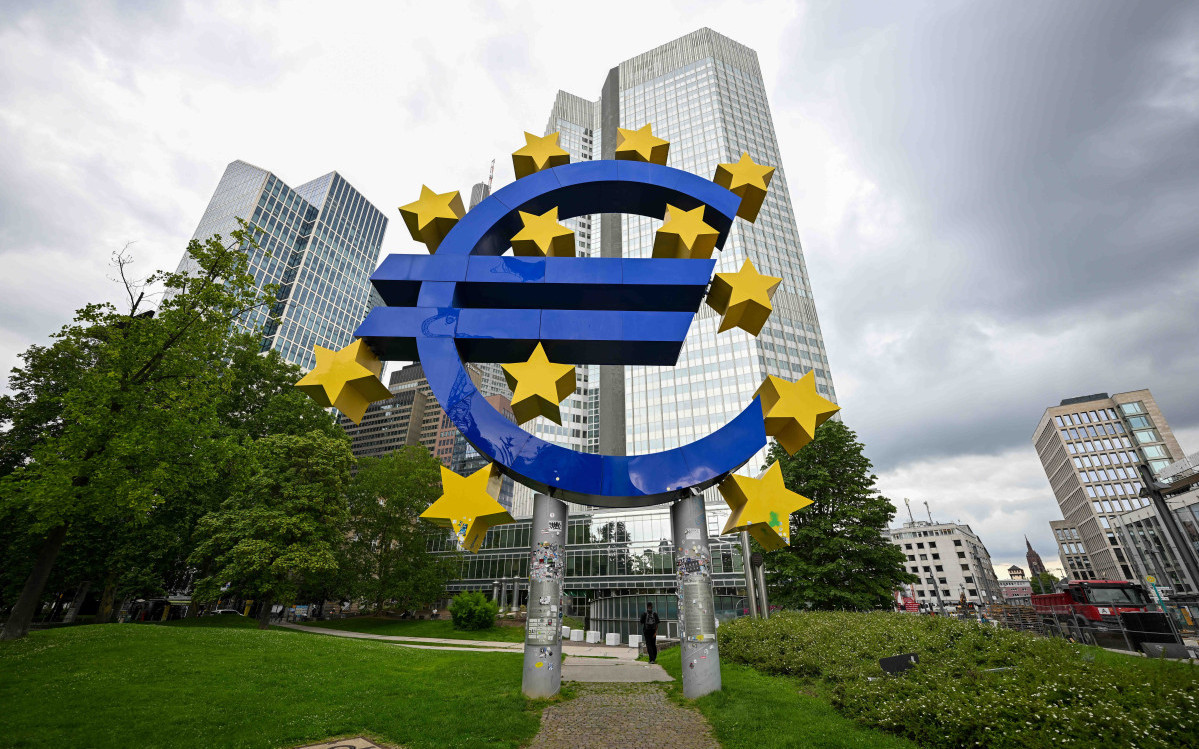
ECB Hiked Rates to 2.5%, the Euro Fell to Its Lowest Since May 2025, and Markets Eye a New Fed Move on October 28: Inflation Keeps Central Banks Squeezed
Inflation in the eurozone reached 3.8% and in the US 3.7%; the ECB is at 2.5%, the Fed at 3.75–4%, and the next decisions are on October 28 and 29.
The euro fell on October 14 to about $1.111, its lowest since mid-May 2025, and on October 15 recovered slightly to about $1.121, Euronews writes. It is down more than 5% since late August. The causes are a stronger dollar, after US inflation in September rose to 3.7%, above expectations; the energy shock linked to the Iran war, which hits Europe as a major energy importer; and pressure on French debt: the yield gap between French and German 10-year bonds topped 150 basis points, the widest since about 2011.
The European Central Bank has raised rates twice this year; the latest hike on September 10 lifted the deposit rate from 2.25% to 2.5%. Eurozone inflation rose to 3.8%, a three-year high. Lagarde earlier judged that “the full inflationary impact of the energy shock has yet to play out.” Belgium’s Pierre Wunsch said: “We are probably going to have to hike again.” Markets expect the ECB to hold on October 29 and hike in December, while Bundesbank president Joachim Nagel took a more patient tone.
The Fed is at 3.75–4%, and bets on a hike on October 28 roughly doubled after the inflation data. For Macedonia, the consequences of this news are indirect: expensive energy and costlier borrowing on international markets; in October the state borrowed through a €150 million mini eurobond at 5.25%. The articles we checked contain no analysis of effects on domestic banks and interest rates, so we make no claim on those — follow the decisions on October 28 and 29.
MKNews Hub · Macedonia · October 17, 2026
