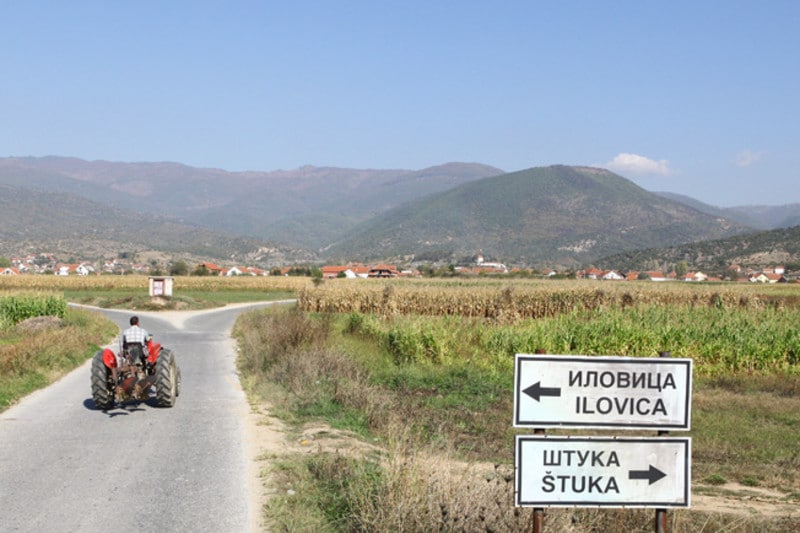
Ilovica Copper Project Amended for Greater Environmental Protection — Nachevski: Macedonia Should Use Its 'Five Minutes' With Its Minerals
Metallurgists' Association president Prof. Goran Nachevski says the Ilovica copper mine project has already been amended for environmental reasons, and called for more responsible use of the country's critical minerals.
Goran Nachevski, president of the Metallurgists' Association of North Macedonia and a university professor, said the proposed Ilovica copper mine project has already undergone changes aimed at greater environmental protection, after earlier versions of the project met resistance from environmental groups. He made the comments in an appearance on Sitel TV, plusinfo.mk reports.
According to Nachevski, mining has been practised in North Macedonia for decades, but the country now has legal regulations aligned with European practices and directives. He argued that modern, responsible mining is achievable with continuous monitoring of water, air and soil quality, and called for the debate to include expert voices alongside some of the project's critics, in order to reach a shared solution.
A Narrow Window for Critical Minerals
Nachevski focused in particular on the current state of the global critical minerals market — raw materials essential to battery production, electric vehicles and digital infrastructure, including copper, cadmium and nickel. He said North Macedonia holds confirmed deposits of several of these minerals, chiefly copper in significant quantities, which remain largely untapped.
He warned that current global demand for critical minerals represents a temporary opportunity — the country's "five minutes" — which, if not used in time, could pass without delivering meaningful economic benefit. With copper prices rising on world markets, Nachevski said the Ilovica deposit and others like it carry growing economic weight for the state budget and employment.
The Geopolitics of Minerals
Addressing the global picture, Nachevski noted that China remains the largest producer and exporter of critical minerals, which partly explains why the European Union treats these raw materials as strategically important — not only for industry, but for the green transition and the broader digitalisation of society.
According to geological surveys conducted in the country, alongside copper and gold, smaller quantities of cadmium, indium, platinum and palladium are present within the lead-zinc deposits already being exploited — metals now considered critical to global supply chains.
MKNews Hub · Economy · 4 August 2026 · Source: plusinfo.mk