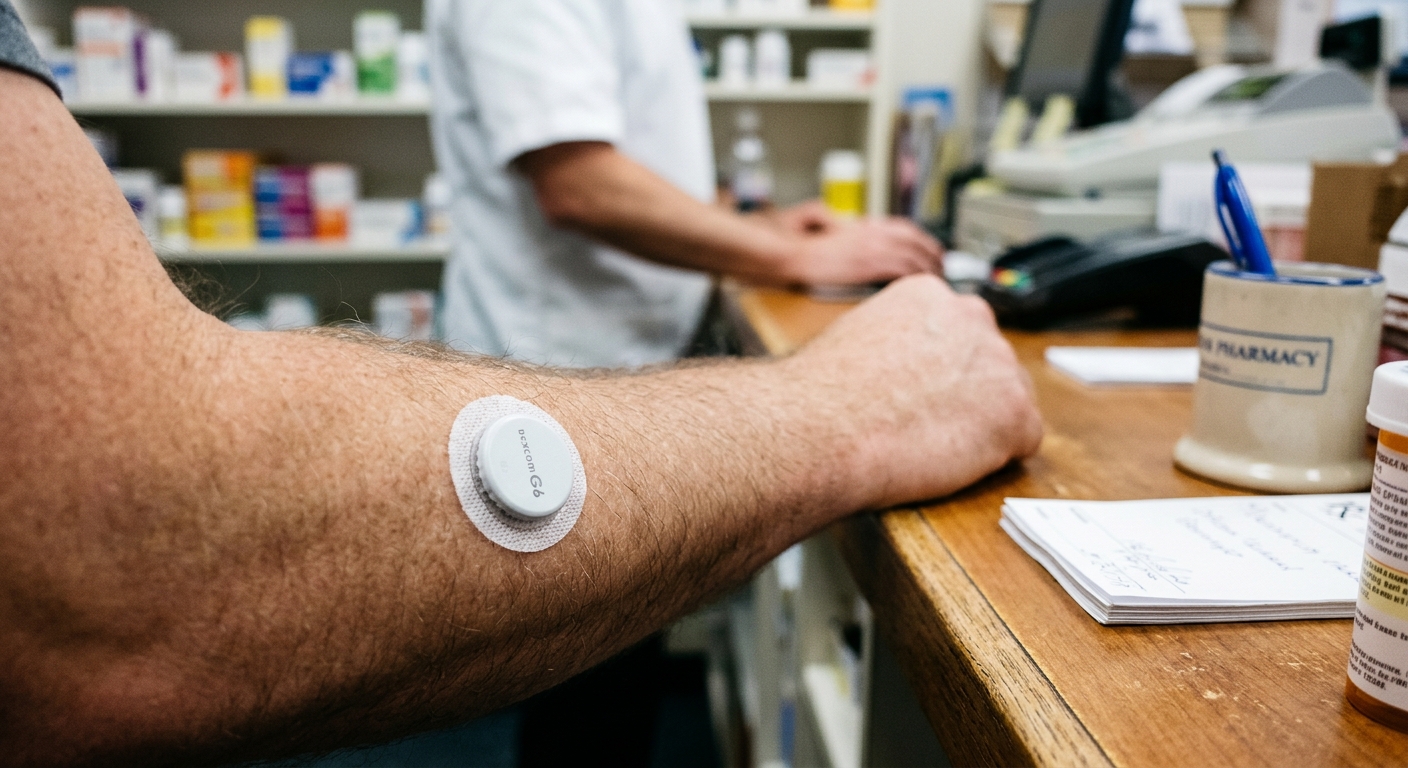
Glucose sensors for 800 people with type 1 diabetes, up from 650 at the first supply in 2023
The procurement was concluded in April 2026 and is valid until April 2028, and sensors for six months have been distributed through December 2026.
The Ministry of Health announced on October 26 that with the latest public procurement, glucose monitoring sensors have been secured for 800 people with type 1 diabetes. That is an increase from 650 people, as many as were covered when sensors were first procured in 2023. Coverage is based on the Diabetes Programme and the conclusions of the national diabetes commission.
The procurement was concluded in April 2026 and is valid until April 2028. That is the contract's duration, not a delivery schedule for sensors through 2028. Sensors for a six-month period have been distributed to patients and last until December 2026, and patients collect them at insulin pharmacies on a set schedule. All transmitters were replaced in May and June 2026, according to protocol.
The same procurement also secured modern insulin and anti-diabetic therapy in increased quantities. The ministry gives no specific amounts, so we cannot say by how much the quantities increased.
Who is eligible? Covered are people with type 1 diabetes up to age 25, pregnant women with type 1 diabetes, blind people with type 1 diabetes and people with type 1 diabetes with the most severe complications or comorbidities. According to the ministry, within available budget funds the most vulnerable groups are prioritized.
What are glucose sensors? They are devices that continuously measure blood sugar and let patients and doctors follow its movement without constant finger pricking. That is why they are especially useful for children and pregnant women, where strict control matters. This is the generally known principle of these devices, not new information from the announcement.
How enough is 800? From the announcement it is not clear how many people in total have type 1 diabetes in the country, or how many of them meet the conditions, so we cannot assess what share is covered. It also does not state what the procurement costs, or how many people are waiting.
What is not known? The total number of people with type 1 diabetes is not known, nor what share of them receive a sensor. It is not known what will happen after December 2026, when the current six-month supply ends, or whether there will be a new delivery. The budget for the procurement is also unknown.
What does it mean? Coverage expands from 650 to 800 people, with a contract until April 2028. Whether that is enough depends on the number of people in need, and that figure has not been published.
MKNews Hub · Macedonia · October 27, 2026
