The €600 Minimum Wage: The Number Versus Purchasing Power, a Vote Versus a Statement
The opposition's proposal to raise the minimum wage from 26,046 to 36,960 denars is back on Parliament's agenda, while Prime Minister Mickoski has said he will not support it — returning the question of whether there will be a real vote.
Amendments to the Law on Minimum Wage, proposed by the opposition, are on the agenda of Parliament's 125th session, held today, as item 17. They would raise the minimum wage from the current 26,046 to 36,960 denars, roughly €600 — an increase of about 42 percent. SDSM previously estimated that such an increase would cost around 7.5 billion denars a year.
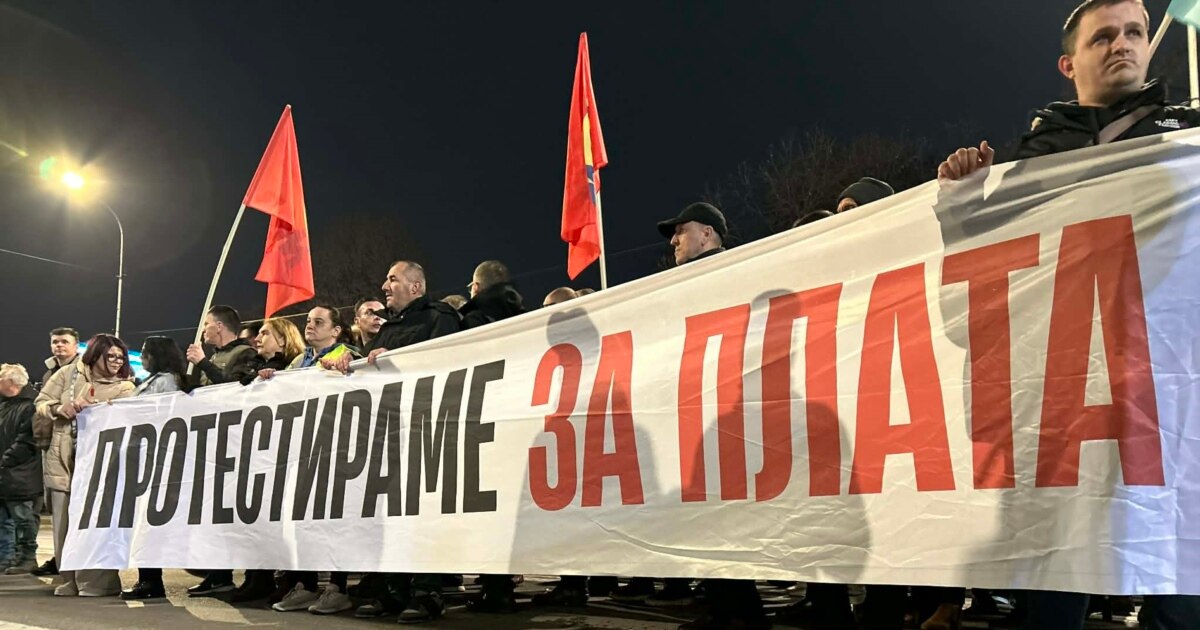
Prime Minister Hristijan Mickoski said on October 6 that he will not support SDSM's bill and that wage increases should be agreed through social dialogue between workers and employers, not through state intervention. Unions, meanwhile, demand €600, and the government and Economy and Labor Minister Besar Durmishi have so far said they would back a higher wage if workers and employers agree.

So the question is not only how much, but whether there will be a vote at all. The same proposal did not reach a vote in February: it was not put on the agenda at the February 10 session, and then at the committee on February 24 it did not get majority support. The €600 figure is clear, but the debate about purchasing power, employer costs and political will is bigger than a single session.
MKNews Hub · Macedonia · October 8, 2026
