2026 Nobel Prize in Chemistry: Why Mirror-Image Molecules Matter for Medicines
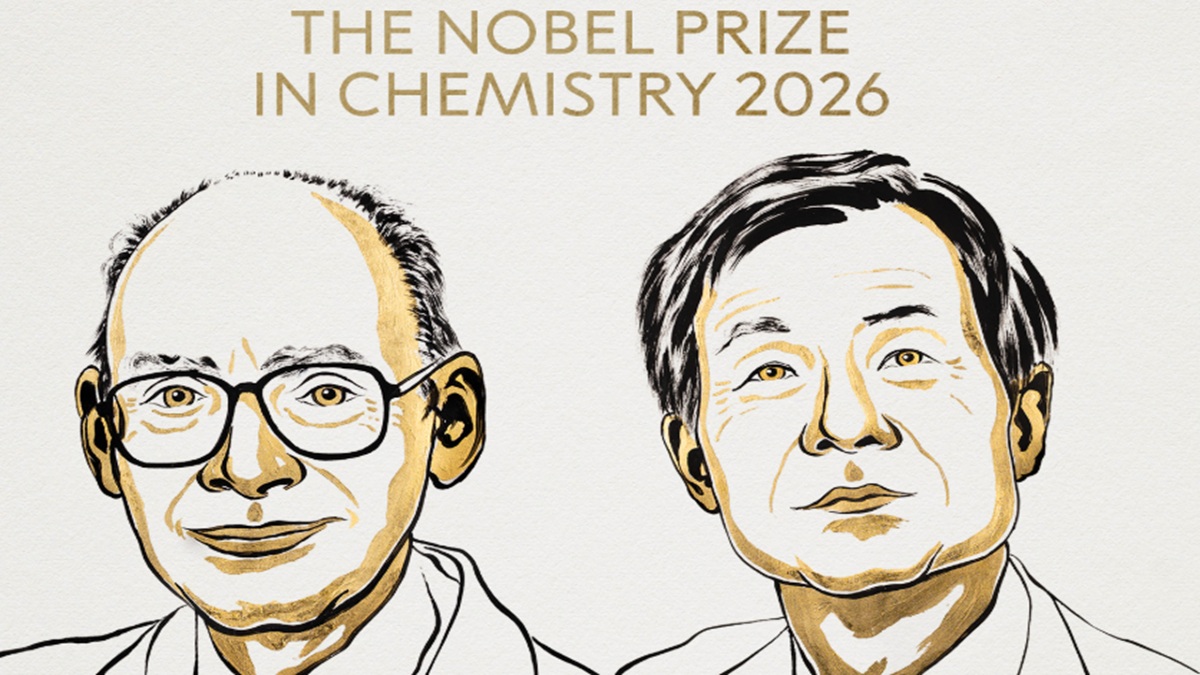
This year's Nobel Prize in Chemistry went to Frenchman Henri Kagan and Japan's Kenso Soai for discoveries linked to asymmetric organic synthesis — a way to produce only the "useful" one of the two mirror forms of a molecule.
The 2026 Nobel Prize in Chemistry has been awarded to Frenchman Henri B. Kagan and Japan's Kenso Soai for discoveries linked to asymmetric organic synthesis. The prize is worth about €1.05 million, and the two will share it.
The problem they address is simple to explain: many molecules exist in two forms that are mirror images of each other, like the left and right hand. The body recognizes only one. In laboratory synthesis, both forms have traditionally been produced in equal amounts, so only half of the product works and the other half is ballast that can sometimes cause allergies, nausea or toxic reactions. Kagan showed that chemical reactions can be steered toward the desired mirror form far more efficiently than theory predicted, and Soai discovered a reaction that accelerates itself and amplifies the desired form.
The practical value lies in drug manufacturing: costly steps to separate harmful forms from useful ones are no longer needed, which lowers costs and makes medicines cleaner. According to published analyses, the technology is becoming a global standard, including for antibiotics and cardiovascular drugs. At the root of both discoveries lies the question of "homochirality" — why nature uses one, rather than both, mirror forms.
MKNews Hub · Macedonia · October 8, 2026
